Lyric Theatre event waste removal and bin hire Hammersmith
Posted on 22/06/2026
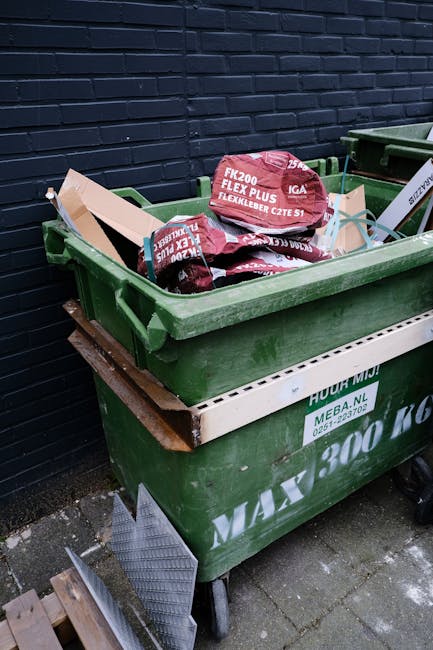
If you are planning a show night, wrap party, community event, launch, or backstage build at the Lyric Theatre, waste has a way of appearing faster than anyone expects. Cups, cardboard, broken packaging, costume offcuts, props, food waste, and those awkward mixed bits that never quite fit a normal bag all build up quickly. That is where Lyric Theatre event waste removal and bin hire Hammersmith becomes more than a convenience. It keeps the venue tidy, helps the schedule stay on track, and makes end-of-event clear up feel far less chaotic.
In this guide, we will walk through how event waste removal works, which bin hire options usually make sense, what to think about around access and timing, and how to avoid the little mistakes that create big headaches later. A theatre event can be beautifully run and still leave a surprising pile of rubbish. Truth be told, the clean-up is often where the real organisation shows up.
Why Lyric Theatre event waste removal and bin hire Hammersmith Matters
Theatres are busy environments. Even a modest event can generate more waste than people expect because several streams arrive at once: catering waste, paper and cardboard, packaging from deliveries, temporary decor, AV packaging, and general audience litter. At a venue like the Lyric Theatre, that waste can affect not just presentation, but circulation, safety, and timing too.
Good waste handling matters because events have narrow windows. You may get a short turnaround before rehearsal, a morning matinee, or another booking. If rubbish is left in corridors, loading areas, or back-of-house spaces, staff end up working around it. That slows everything down, and nobody wants to be moving bin bags while trying to reset a room at 8:15 in the morning.
There is also the simple fact of image. Guests notice the front-of-house experience, but they also notice when skips, piles of cardboard, or overfilled bins sit outside too long. Careful waste planning keeps the venue looking professional from arrival to final sweep-out.
For broader waste support across the area, some organisers also look at the full range of rubbish and waste services so the event plan matches the size and shape of the job rather than forcing everything into one generic solution.
How Lyric Theatre event waste removal and bin hire Hammersmith Works
In practical terms, the process is usually straightforward. You choose the waste solution, agree the timing, place the bins or collection points where they will not obstruct people, and arrange a clear uplift or removal after the event. The details matter, though. A theatre event is not the same as a domestic clear-out or a basic office tidy.
Most jobs start with a quick assessment of what kind of waste you expect. For example, an arts fundraiser with plated catering creates very different waste from a production build with timber offcuts and packaging. If you know the likely waste mix, you can plan the right bin size, the right number of containers, and the right schedule for collection.
Bin hire in this setting may include:
- small bins for backstage rooms or dressing areas
- larger bins for staging, catering, and event prep areas
- mixed waste containers for general event rubbish
- segregated bins for cardboard, recyclables, or food waste where suitable
- short-term hires for one-off events or longer hire periods for production runs
In many cases, bin hire is only one part of the picture. Final clearance may also need manual collection from tight corners, loading bays, or spaces that bin crews cannot safely access. That is why theatre work often benefits from a provider that understands both bin hire and on-site removal. A single plan is easier to manage, and usually less messy.
If your event also involves set construction, scenery, or heavy backstage work, it can be helpful to read about builders waste disposal in Hammersmith because theatrical builds create a surprising amount of similar material: timber, packaging, fixings, and broken-down flat-pack style components.
Key Benefits and Practical Advantages
When waste removal is organised well, the benefits are immediate. You feel them in the run-up to the event, not just afterwards.
- Cleaner working spaces: Staff, performers, and contractors can move safely without stepping around bags or boxes.
- Faster turnarounds: The venue can be reset more quickly between rehearsal, performance, and after-event clearance.
- Better presentation: Front-of-house areas, entrances, and service routes stay tidy.
- Less manual stress: Teams are not improvising with bin bags and last-minute loading runs.
- More efficient sorting: Recyclables, general waste, and bulky items can be separated sensibly.
- Reduced risk of overflow: Enough capacity is built in from the start.
There is another benefit that gets overlooked: peace of mind. Once the waste plan is sorted, you stop thinking about it every ten minutes. That matters on event day. You have enough else to handle - lighting cues, guest arrivals, sound checks, late deliveries, the lot.
For organisers with a sustainability focus, a proper plan can also support better recycling habits. A mixed heap of waste is far harder to sort later, so using separate containers where practical can improve the outcome from the very start. If sustainability is part of your event brief, this is worth building in early rather than bolting it on afterwards. The same thinking applies to recycling and sustainability practices across other jobs too.
Expert summary: The best theatre waste plan is rarely the biggest one. It is the one that matches access, timing, waste type, and turnover pressure without getting in the way of the event itself.
Who This Is For and When It Makes Sense
This kind of service is useful for a wide mix of people. It is not just for the main production team either.
- Event organisers managing openings, receptions, screenings, launches, or fundraisers
- Production teams handling build, strike, and backstage changes
- Catering contractors with packaging, food waste, and service debris
- Venue managers who need regular, reliable clear-up support
- Community groups using the space for one-off events
- Suppliers and decorators with temporary materials to remove
It makes sense when waste is likely to be more than a handful of bags, or when the event timing leaves very little margin. If you are doing a late-night event and the next booking arrives early the next day, bin hire and waste collection become part of the operational plan, not an afterthought. That is the honest version.
It also makes sense when waste is awkward to move. Bulky display materials, broken-down staging, cardboard deliveries, packaging foam, and mixed event rubbish all create friction. In smaller spaces, even a few extra bags can start to feel like a proper blockage.
For more general support with mixed jobs around the area, some organisers use local rubbish clearance in Hammersmith as part of a wider site tidy-up, especially when event materials need removing quickly once the audience has gone home and the lights are down.
Step-by-Step Guidance
If you want the clean-up to feel calm rather than frantic, it helps to work through the job in order. Not exciting, perhaps, but effective. And at event level, effective beats exciting every time.
- Identify the waste streams. Separate general waste, cardboard, food waste, plastic packaging, and any bulky material you expect.
- Estimate the volume. Think in real terms: a few bags, several bin loads, or a full event clear-out. This will shape the bin size and collection frequency.
- Check access routes. Consider loading bays, lifts, narrow corridors, timed access, and any restrictions around the theatre entrance or service yard.
- Choose the hire duration. One-night events need different planning from multi-day productions or rehearsals.
- Place bins intelligently. Put them where staff can use them easily, but not where guests will notice or where they can obstruct escape routes.
- Brief the team. Everyone should know what goes in each container. A tiny bit of confusion creates a lot of contamination.
- Arrange collection or uplift. Schedule removal soon after the event so waste does not sit overnight unless that is part of the agreed plan.
- Do a final walk-through. Check under tables, behind staging, in storage corners, and around exits. Waste hides in plain sight sometimes.
A practical note: if your event produces both lightweight recyclables and heavier mixed waste, do not assume one container will handle both equally well. It rarely does. Sorting at source is simpler than trying to sort in the dark after a long evening.
Expert Tips for Better Results
These are the details that tend to make the biggest difference. Small things, really, but they add up.
- Overestimate slightly, not wildly. Theatre events often generate more packaging and back-of-house waste than expected.
- Keep one bin close to the source. If catering waste travels too far, it tends to end up in the wrong place, or on the floor. People get lazy. It happens.
- Use simple signage. "Cardboard only" or "general waste" is enough. You do not need a dissertation.
- Protect access routes. Bin placement should never interfere with fire exits, audience circulation, or emergency access.
- Time collections around the event schedule. A collection too early can interrupt prep; too late and the site starts to look tired.
- Plan for wet waste. Cups, ice, food residue, and catering leftovers need thought because they can create smells and spills fast.
If you are not sure whether you need bin hire, manual clearance, or both, look at the waste in practical terms: what can be contained, what needs lifting, and what needs immediate removal. That simple split clears up a lot of decisions. It also keeps everyone saner, which is underrated.
It may also help to review pricing and quotes before the event date so you can compare options without rushing. Quiet planning usually saves money as well as time.

Common Mistakes to Avoid
Most waste problems are not dramatic. They are boring little oversights that snowball. Here are the ones we see most often.
- Leaving booking too late: By the time the event is close, access slots and suitable bins are harder to organise.
- Using the wrong container size: Too small means overflow; too large can be awkward or unnecessary.
- Mixing everything together: Recyclables, food waste, and bulky materials become harder to handle when thrown in as one pile.
- Ignoring access restrictions: Theatre loading areas are not always straightforward. A bin that cannot reach the right place is not much use.
- Forgetting post-event timing: Waste left overnight can create smell, clutter, and extra work for the next shift.
- Not briefing volunteers or contractors: Even a good setup fails if nobody knows how to use it.
Another common issue is assuming the venue can absorb all waste internally. Sometimes it can. Often it cannot, at least not comfortably. If the venue team is already stretched, external support is usually the smarter move. There is no prize for making things harder.
Tools, Resources and Recommendations
You do not need a long list of equipment, but a few practical tools help make event waste removal smoother.
- Clear bin labels for general waste, cardboard, food waste, and recyclables
- Heavy-duty bin bags for compact, contained collection
- Handheld trolleys or dollies for moving bulky but manageable waste safely
- Gloves and basic protective gear for staff handling sharp or messy materials
- Simple floor plans showing bin locations and collection routes
- A short waste brief for staff, contractors, and volunteers
For broader operational planning, venue teams often benefit from services that can handle different waste types across a single project. If the event includes office-style set-up, admin areas, or temporary production desks, office clearance support can be relevant too, particularly when desks, paperwork, packaging, and temporary furniture need removal after the event.
And if you are dealing with a mixed household-style spillover after a social event or private hire, house clearance services can sometimes be the nearest practical fit for the sort of clutter that accumulates behind the scenes. Different job, same basic principle: get the right removal method for the material in front of you.
Law, Compliance, Standards, or Best Practice
Waste handling in the UK should always be approached carefully and responsibly. For events, the main point is not to guess. If you are producing waste as part of a business or venue operation, you have a duty to ensure it is stored, sorted, and removed appropriately. In plain English: do not leave it to chance, and do not send it away in a way that creates avoidable problems later.
Best practice usually includes:
- keeping waste in suitable containers
- separating recyclable material where practical
- preventing spillages and obstruction
- avoiding blocked exits and unsafe stacking
- making sure removal is carried out by a competent provider
Health and safety also matters. If bins are heavy, if there are sharp edges, or if waste needs to move through public spaces, handling should be planned properly. That is where a provider's approach to insurance, risk awareness, and safe working methods becomes important. For more on this, see insurance and safety information.
There is also a sustainability angle. Many event organisers now expect waste to be managed in a way that avoids unnecessary landfill where possible. That does not mean every item can be recycled, because it cannot. But it does mean making practical choices about sorting, contamination, and collection methods. Reasonable best practice, not perfection.
Options, Methods, or Comparison Table
Choosing the right setup depends on waste type, event length, and access. Here is a simple comparison that may help.
| Option | Best for | Strengths | Limitations |
|---|---|---|---|
| Small bin hire | Short events, dressing rooms, light packaging | Simple, tidy, easy to position | Can fill quickly if waste increases unexpectedly |
| Large bin hire | Busy events, catering, backstage activity | More capacity, fewer empty-and-return cycles | Needs better access and planning |
| Manual waste clearance | Bulky items, awkward spaces, final sweep-out | Useful for tight corridors and mixed debris | May take more staff time |
| Combined bin hire and clearance | Events with mixed waste and short turnaround | Most flexible and practical for theatre use | Requires more coordination at the outset |
In many theatre settings, the combined option is the most sensible. Not always, but often. It gives you a place for waste during the event and a proper finish once it is over. That clean handover is worth a lot when the next team arrives early.
Case Study or Real-World Example
Imagine a one-evening theatre reception with a modest audience, catering, welcome materials, and some last-minute display items. Early in the day, there are cardboard boxes from deliveries, bubble wrap, and a few bits of packaging behind the scenes. During the event, cups, napkins, plates, and food waste start to build up. By the end of the night, there is a mix of waste in several areas, none of it especially dramatic on its own, but together it fills the service space quickly.
Without a plan, the team spends half an hour moving bags from one room to another while trying to keep the venue looking ready for the next morning. With a small bin-hire arrangement, plus a clear post-event uplift, the back-of-house area stays manageable. Staff know where waste goes. The final sweep is quicker. The space feels calm again before everyone goes home.
That is the real value here. Not glamour. Not noise. Just less friction. And sometimes less friction is the difference between an exhausting close-down and a decent one.
For events that sit closer to a busy neighbourhood pattern, you can also find useful local context in this guide to Hammersmith party venues, which is helpful if you are mapping waste plans to a wider events calendar in the area.
Practical Checklist
Use this as a quick pre-event prompt. It is simple, but it works.
- Confirm event date, timing, and access windows
- Estimate waste volumes by type
- Decide whether you need bin hire, clearance, or both
- Check where bins can be placed safely and discreetly
- Separate recyclables where practical
- Brief the venue team, contractors, and volunteers
- Prepare bags, labels, and moving equipment
- Arrange the uplift or collection time in advance
- Leave a final walk-through slot after the event
- Keep a note of what worked well for the next booking
A tiny admin note can save a lot of trouble next time. Even one line, scribbled in a notebook or event file, is better than starting from scratch every single event. Someone has to remember where the bins went last time. May as well be you.
Conclusion
Lyric Theatre event waste removal and bin hire Hammersmith is really about making the event easier to run, cleaner to finish, and safer to hand over. When the waste plan fits the venue, the event, and the timing, everything becomes calmer. Staff work better. Guests see a more polished space. The final clear-up stops feeling like a scramble.
The best results usually come from simple decisions made early: choose the right capacity, separate waste where it makes sense, keep access routes clear, and arrange removal around the event rather than after the event becomes a problem. Nothing flashy. Just good planning, and a bit of common sense.
If you are balancing bin hire, access, turnaround pressure, and a packed event schedule, that is exactly when experienced local support starts to earn its keep.
Get a free quote today and see how much you can save.

From a young age, Blair has cultivated a passion for order, which has now matured into a prosperous profession as a waste removal specialist. She derives satisfaction from transforming disorderly spaces into practical ones, aiding clients in conquering the burden of clutter.
 Tipper Van - Rubbish Removal and Waste Clearance Prices in Hammersmith, W6
 Luton Van - Rubbish Removal and Waste Clearance Prices in Hammersmith, W6